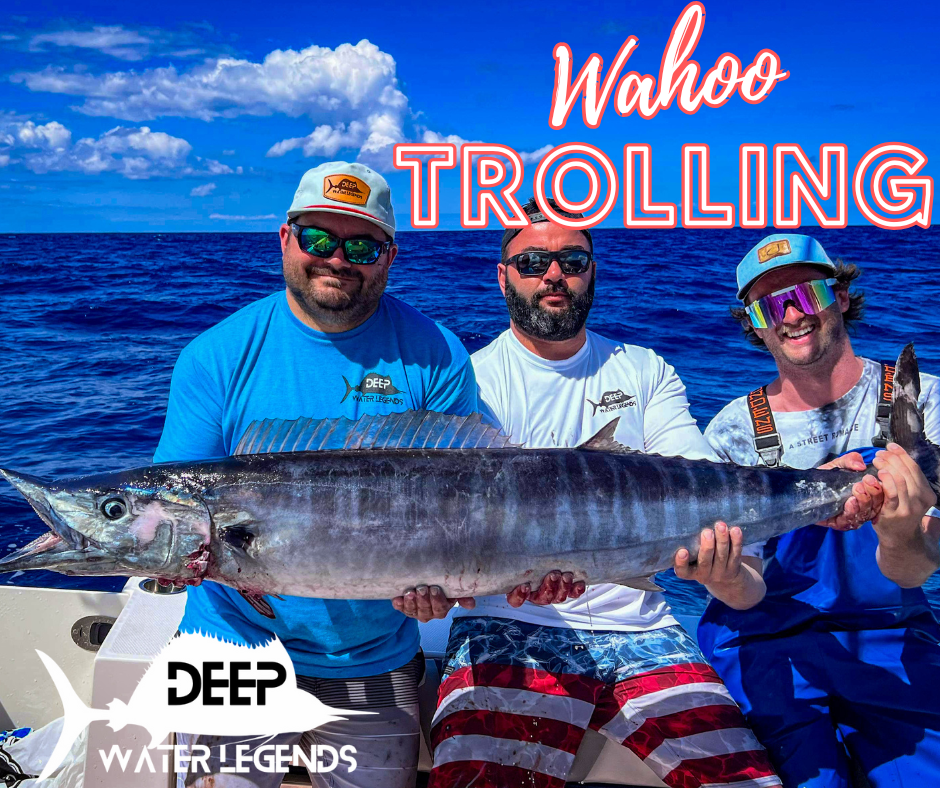
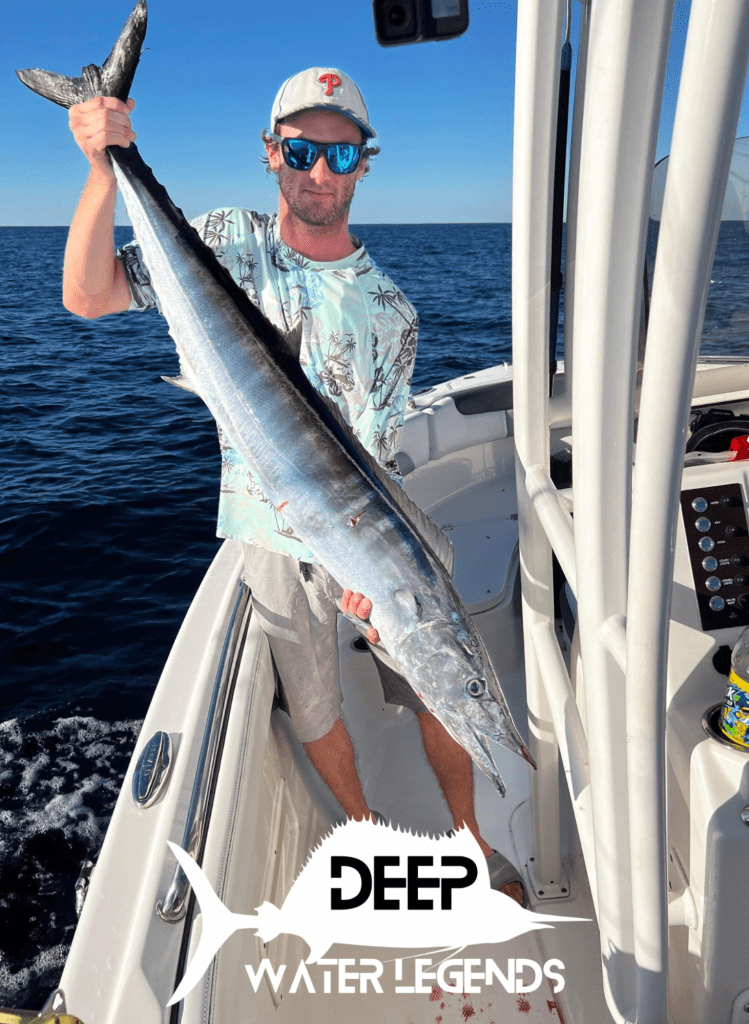
Wahoo fishing is an experience that requires a perfect blend of skill, strategy, and the right equipment. Primarily I fish out of Charleston, South Carolina, at the legendary Edisto Banks, located about 50 miles off the coast. What sets us apart from the majority of Locals, is our slower than usual approach to trolling for wahoo, a method distinct from the more common high-speed trolling practices. Today we'll explore the excitement of wahoo fishing, focusing on trolling speeds, preferred lures, and the indispensable role of technology.
Unlike many wahoo anglers who engage in high-speed trolling, we have honed a
technique that involves trolling slower than usual, clocking in at 7-9 mph or 6 to 8 kts. This pace is particularly effective when targeting wahoo in the Edisto Banks, where the conditions favor this unique approach. It is common to hear people trolling 12 - 16 mph or 10 - 14 kts and burning tons of fuel while wahoo fishing. Our approach will save you a boat load in fuel and your drag disks will thank you!
Wahoo are pelagic fish and keep moving, so where you catch them today doesn’t
necessarily mean they will be there tomorrow. They swim super fast and have been
recorded at speeds over 40 mph. They use impressive speeds to chase down prey such
as mahi, small tuna and bonita. They thrive in clear blue water and can often be found in water ranging in depths from 150’ to 1000’. They usually are in the top of the water column and that is why trolling is an especially effective way to catch them.
While high speed trolling is a great way to cover a lot of ground while searching
for fish, it has a few drawbacks. First and foremost it burns a ton of fuel, making a day on the water much more expensive than a normal trolling trip. Secondly it is incredibly hard on your tackle and gear, holding these large diving lures destroys drags and terminal tackle. Lastly it eliminates the chance at catching some other desirable species like tuna and mahi. While tournament fishing I can justify keeping the other fish off the line, however on a normal day a tuna is a welcomed guest to my spread!
The trolling spread we use is a critical aspect of wahoo fishing, and we prefer a
4-rod setup for most boats, however on a larger sportfish boat you can run an additional rod or two. Three Nomad DTX lures are deployed in our usual spread, each spaced 100 feet behind the other to prevent tangling. The shotgun lure, positioned furthest from the boat, is a large Yozuri Bonita lure, adding a variety to the spread that often proves irresistible to wahoo. This lure really gets hammered, so make sure it’s on your largest reel! When this lure gets hit you can expect a long fight because it's usually a larger fish than the ones that hit your smaller baits in the spread.
The choice of fishing equipment and tackle plays a pivotal role in the success of
wahoo fishing. We have adopted a specific setup just for fishing diving lures at a fast pace. We opt for reels spooled with 100# braid without the addition of a mono topshot.
This choice is guided by the belief that braid cuts through the water more efficiently than thicker monofilament line, therefore getting lures deeper and eliminating line stretch that often leads to lures popping out of the water. When fishing with a straight braided line there are a few things to keep in mind that differ from using a mono line.
Without the stretch of the mono topshot it is important to back off the reel's drag after the initial hit to avoid snapping your line. You also want to avoid crossing lines as the braid will easily cut through your other lines as it's peeling out with a large fish on. This use of a short leader can also make it harder to leader a fish at the boat and critical to have a good pair of gloves to avoid cutting your hands when the fish gets close to the boat when planning your perfect gaff shot.
When it comes to choosing the right reel for the pursuit of wahoo, it’s hard to
beat the versatility of 30 and 50 class reels. Despite the usual approach of using heavy gear when wahoo fishing, our inclination is to opt for lighter gear for its maneuverability and ease of handling during the intense battles with these high-speed predators. In our arsenal, the Shimano Speedmaster and Talica 25 reels stand out as the go-to choice when we are specifically wahoo fishing. These reels are meticulously spooled with a 100-pound braided line, ensuring the strength required for larger fish. We also use a Shimano Tiagra 50 wide for our closest bait, which requires a lot of drag to hold the large Nomad DTX 220 lure, and a Tiagra 80 wide reel for our shotgun bait. Having a large reel with tons of line for your way back lure is an insurance policy because it's usually the largest fish that hit that lure.
Our success while wahoo fishing is partially due to having a diverse selection of
gear to include Magictail Outfitters offshore rods, each handcrafted in the heart of New Jersey. Having quality gear for wahoo fishing is very important, these fish are fierce and one of the toughest and fastest fish in the ocean. Using gear that is undersize or in rough shape will most certainly lead to failure and sleepless nights. The worst way to lose a big fish is due to an avoidable tackle failure and being unprepared for that fish of a lifetime. Having the appropriate length and weight rods plays a crucial role in landing fish. Most fish are lost within 50 feet of a boat and having gear you can easily manage in the heat of battle is a huge advantage. I have a variety of stand-up trolling rods, ranging in size from 5'6" to 6', striking the perfect balance between power and flexibility, while
also still being manageable to negotiate the cockpit of the boat. I also have some
specialized 5' bent butt rods featuring swivel tips, ideal for optimizing the performance of larger deep-diving lures. A heavier rod is needed because the lures will dig and pull hard while you're trolling, so a stiff rod keeps them stable at speed and prevents bouncing which can cause a lure to pop out. Bent butt rods are great for fighting fish out of the rod holder or fight chair, but can be a pain to clear lines and move around the cockpit on smaller boats. Dialing in your gear is critical and having a game plan of what rod goes where when fish hit can help you significantly when a big fish is on the line.
A key element in our tackle strategy is the use of a 4-foot long 150# mono leader
crimped to a 400 lb barrel swivel attached with a crimp to each lure. We have found that the use of a mono leader equals many more opportunities at fish, when compared to a wire leader. A common concern when wahoo fishing is getting bit off by the toothy fish, over the years I have found that we really do not lose many fish on diver lures, and that it is worth the risk for the improved bite ratio. I run my fingers down every leader before tossing the lures in the water each time to assure it's in perfect shape. Checking the leader after every catch ensures that it remains intact and free from chafing, maintaining the integrity of the setup. Wire leader can also be used for this method of fishing but I have found that mono leader usually produces double the fish as wire or cable at these speeds.
Nomad DTX lures are a personal favorite due to their versatility and
effectiveness. My arsenal typically includes a range of sizes, with careful consideration given to their placement in the trolling spread. DTX220: The largest and deepest-running lure, positioned closest to the boat, about 50-70 feet behind. Its size and depth often attract the attention of larger wahoo. Next a DTX200: Placed 100 feet behind the DTX220, this lure adds variety to the spread, enticing wahoo with a different profile and action. Then a DTX180: Positioned another 100 feet behind the DTX200, the DTX180 serves as the third lure in the sequence, presenting a different size and running depth.
Lastly the shotgun lure, trailing 100-150 feet behind the third Nomad DTX lure, is a crucial component of the spread. For this lure I put in an 8" Yozuri Bonita lure, typically in dark red/black or dark purple. The distinct color and action of the Bonita lure often trigger the most aggressive strikes, contributing to the overall success of the trolling spread.
While the Nomad DTX lures come in various colors, I tend to lean towards darker
hues and those with a glowing effect. This preference is based on the belief that these colors are particularly attractive to wahoo when the lures are moving through the water fast. Regularly testing your lures after each catch ensures they maintain their effectiveness, checking for any signs of water retention or diminished performance.
Wahoo, known for their incredible speed, are some of the fastest swimmers in the
ocean, reaching speeds of up to 60 mph. This impressive agility, coupled with their
strong bite, presents specific challenges for anglers. Their sharp teeth, designed for tearing through prey, can cause major issues for your fishing gear. When a wahoo bites a lure, it can puncture it, allowing water to fill in and affecting its performance. Additionally, their teeth can chafe the leader, if you are focusing on wahoo you need to carefully check and replace leaders after each catch. This precaution helps maintain the strength of the gear, preventing unexpected problems and enhancing the chances of a successful catch.
When in doubt….Change it out! Checking and ensuring the functionality of your
terminal tackle is paramount to a successful trip offshore. While terminal tackle is the most affordable component of a fishing trip, overlooking its condition will result in losing that fish of a lifetime. A poorly crimped connection, a rusty hook, or a chafed leader could mean saying goodbye to the fish of a lifetime. As a seasoned angler, I prioritize the maintenance of my gear, especially when it comes to diving lures. If a diver stops running correctly, I immediately swap it out, and I NEVER push off the dock without multiple spares on hand. In particular, the Nomad DTX 220, this lure always gets hammered. We find this lure to also catch the majority of fish in this spread. This attention to detail ensures that my tackle is ready to go, minimizing the risk of tackle failure and maximizing the chances of sinking the gaff in that trophy fish. Diving lures are often a love-hate relationship, most of the time they run great but after a few fish they can become damaged and run poorly. Personally as long as they are attracting bites I'm happy to change them out regularly because it's the most affordable part of an offshore fishing trip. Remember on the tough days fishing who wouldn’t gladly pay hundreds of dollars for the chance at a single fish?
The ideal trolling speed with this spread typically falls within the range of 7 to 9 mph or 6 to 8 kts. This speed range has consistently produced positive results for me up and down the east coast, yielding not only wahoo but also enticing strikes from large yellowfin and blackfin tuna. I tend to find more success trolling on days with light chop than I do on dead flat seas. Wahoo have a preference for pristine, blue water and are rarely found in murky or dirty waters. We target them on ledges and around good structures that are likely to hold bait fish that they can easily attack. Their natural habitat choice is attributed to their hunting style, which relies on keen eyesight and rapid bursts of speed to ambush prey. In clear blue waters, wahoo can utilize their excellent vision to
spot prey from a distance and swiftly pursue it. We like to troll in long zig zag patterns up and down the ledges until we locate the fish.
For avid wahoo anglers, timing is everything, and the lunar cycle plays a crucial
role in maximizing their success. The period surrounding a full moon emerges as the
prime window for wahoo fishing excitement. In the days leading up to and following a full moon, the conditions align to create optimal circumstances for wahoo action. The increased brightness during these lunar phases can stimulate heightened predatory behavior in wahoo, making them more active and responsive to bait. This heightened activity often translates into more aggressive strikes and increased chances of successful catches. As a result, seasoned anglers keen on reeling in the elusive wahoo often plan their fishing expeditions around the lunar calendar, capitalizing on the heightened activity that the days surrounding a full moon bring to the depths.



Leave a comment