
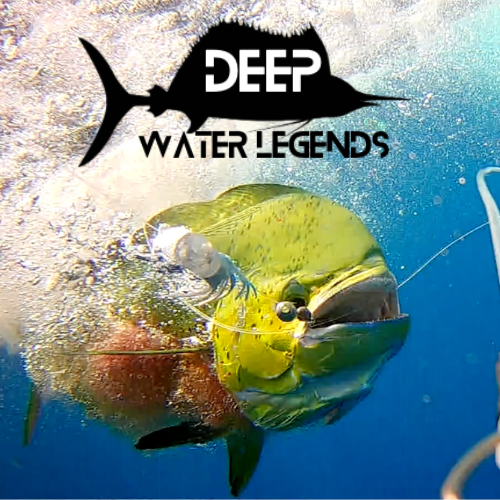
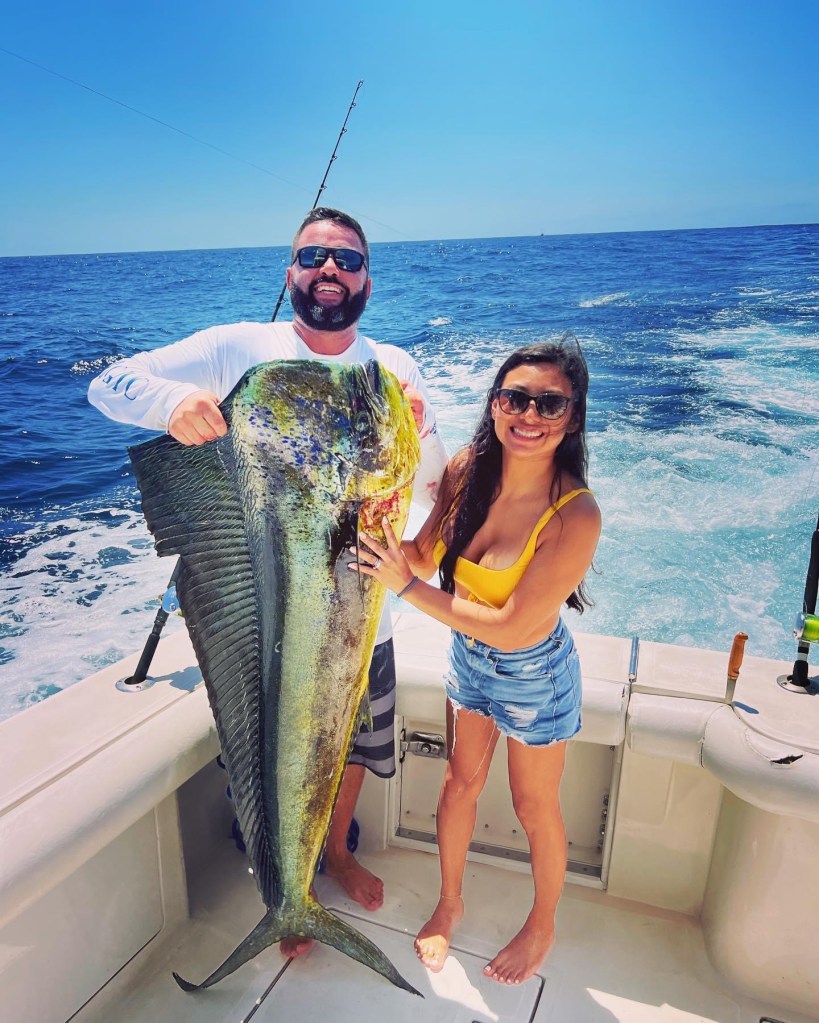
As we step into the prime fishing season, anglers in South Carolina eagerly anticipate the arrival of mahi-mahi, also known as dolphinfish. These vibrant, hard-fighting fish typically make their way into the region’s offshore waters during the late spring and early summer months. In 2025, you can expect mahi-mahi to begin appearing off the coast of South Carolina by late April, with their numbers peaking between May and June.
The timing of their arrival largely depends on water temperatures and ocean currents. Mahi-mahi are most active in waters ranging from 78°F to 82°F, so keeping an eye on sea surface temperature charts will be key to planning your fishing trips.
Targeting Mahi-Mahi: Where to Look
Mahi-mahi are often found in the Gulf Stream, which flows approximately 50-70 miles offshore of South Carolina. This warm ocean current provides the ideal habitat and food sources for these opportunistic feeders. Focus on areas with floating debris, seaweed lines, or other structures, as mahi-mahi are known to congregate around these spots to hunt for baitfish and squid.
Key offshore locations to target include:
- The Georgetown Hole: A popular offshore canyon known for its abundant pelagic species.
- The Charleston Bump: A deepwater rise that attracts a variety of game fish, including mahi-mahi.
- Edisto Banks: A productive area for trolling and spotting schools of mahi-mahi.
Look for visual cues such as birds diving, floating objects, or surface activity, as these often indicate the presence of mahi-mahi schools.
Best Lures and Tackle for Mahi-Mahi
Mahi-mahi are aggressive feeders, making them a thrilling target for anglers. To increase your chances of success, consider the following tackle and lure recommendations:
- Trolling Setup:
- Use a 6–7’ heavy-action rod paired with a 30–80 lb line.
- Effective lures include chugger heads, soft plastic squid skirts, and dolphin feathers in bright colors like pink, green, and yellow.
- Troll at speeds of 5-7 knots along weed lines or near floating debris.
- Casting Setup:
- Opt for a 7’ heavy-action rod with a 30–50 lb line.
- Cast topwater plugs, bucktail jigs, or soft plasticsnear schools of mahi-mahi for an exciting visual bite.
- Bait Options:
- Live bait such as pilchards or small blue runners.
- Fresh or frozen ballyhoo rigged with a skirt for trolling.
- Chum with small fish chunks or squid to keep schools close to the boat.
Final Tips for Mahi-Mahi Fishing in South Carolina
- Timing Matters: Plan your trips during the early morning or late afternoon when mahi-mahi are most active.
- Stay Mobile: If you’re not getting bites, don’t hesitate to move to another area or adjust your trolling speed.
- Watch the Weather: Calm seas make it easier to spot floating debris and weed lines, increasing your chances of success.
With the right preparation and gear, South Carolina anglers can look forward to an exciting mahi-mahi season this year. Whether you’re trolling offshore or casting to schools near floating seaweed, these vibrant fish are sure to provide an unforgettable experience. Tight lines!
Gear up here: Use code DEEPWATERLEGENDS for 15% off your oder of $50 or more


Leave a comment