
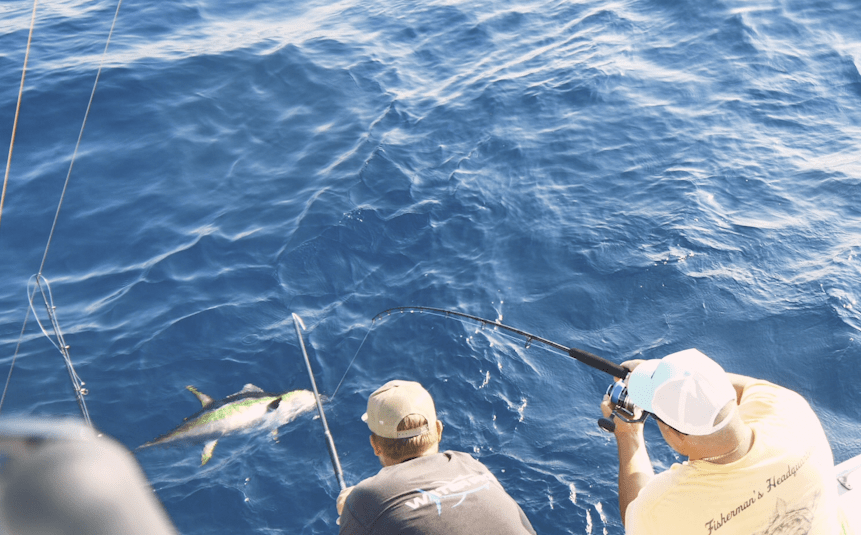
When it comes to offshore fishing, trolling is one of the most effective methods for targeting big game fish like mahi-mahi, tuna, wahoo, and marlin. Success on the water often depends on your gear, and selecting the right trolling rod is essential. From rod stiffness to guides and the type of spreader bars or wide trackers you’ll be trolling, here’s everything you need to know to make the best choice.
1. Stiffness (Rod Power)
Rod stiffness, or power, determines how much weight and pressure a rod can handle. For trolling, you’ll usually need a medium-heavy to heavy power rod, depending on the size of your target fish and the drag of your trolling setup. Medium power rods might be fine for smaller species like mahi-mahi or kingfish, but for larger fish like tuna or marlin, heavy or extra-heavy rods are the way to go.
2. Length
Most trolling rods are between 5 and 7 feet long. Shorter rods (around 5 to 6 feet) provide better leverage and control when fighting large fish, while longer rods (6.5 to 7 feet) are great for creating a wider spread when trolling with spreader bars or wide trackers. A 6-foot rod is a versatile choice for most offshore trolling applications.
3. Action
Rod action refers to how much and where the rod bends. For trolling, moderate action rods are often preferred. They offer a smooth bend that absorbs the shock of sudden strikes and reduces the risk of pulling hooks out of a fish’s mouth. This is especially important when using spreader bars or wide trackers, which create additional drag and resistance.
4. Guides: Ring Guides vs. Roller Guides
The guides on your trolling rod play a critical role in ensuring smooth line flow and durability. Here’s a breakdown of your options:
- Ring Guides: These are the most common type of guides, often made from corrosion-resistant materials like stainless steel or ceramic. They’re lightweight and work well for most trolling applications, especially when using monofilament or braided lines.
- Roller Guides: Designed to reduce friction, roller guides are ideal for handling heavy lines and the high tension created when fighting large fish. They’re particularly useful when trolling for species like tuna or marlin, where line pressure can be immense.
- Rings with Roller Tip: Some trolling rods combine the best of both worlds, featuring ring guides along the rod and a roller guide at the tip. This setup is perfect for trolling with spreader bars or wide trackers, as the roller tip minimizes line wear from the added drag while the ring guides keep the rod lightweight and versatile.
5. Matching Lures: Spreader Bars and Wide Trackers
The type of trolling gear you’ll be using should influence your rod choice. Spreader bars and wide trackers are popular for offshore trolling because they mimic schools of baitfish and attract predatory fish like tuna and mahi-mahi. These setups create significant drag, so you’ll need a rod with enough backbone to handle the load.
- Spreader Bars: These work best with medium-heavy to heavy rods, as the drag from multiple lures requires a sturdy setup.
- Wide Trackers: These lures are designed to run off to the side of your trolling spread, increasing coverage. Since they create additional tension on the line, a heavy-action rod with a roller tip is an excellent choice.
6. Target Species
Your target species will dictate the overall setup of your trolling rod. Here’s a quick guide:
- Mahi-Mahi: Medium to medium-heavy rods, 30-50 lb line, moderate action.
- Tuna: Heavy rods, 50-80 lb line, fast or moderate action depending on lure type.
- Wahoo: Heavy rods, 50-80 lb line, moderate action for trolling at high speeds.
- Marlin: Extra-heavy rods, 80-130 lb line, fast action for setting hooks into their tough mouths.
Additional Tips for Offshore Trolling Success
- Reels and Line: Pair your rod with a high-quality trolling reel and use braided or monofilament line in the 30-80 lb range, depending on your target species.
- Rod Material: Choose rods made from graphite for sensitivity and lightweight performance or fiberglass for durability and strength. Composite rods offer a balance of both.
- Rod Holders: Invest in sturdy rod holders to support your trolling rods and prevent fatigue during long days on the water.
Final Thoughts
Choosing the best offshore fishing rod for trolling means balancing stiffness, length, action, and guide type with your trolling setup and target species. Whether you’re trolling spreader bars for tuna or wide trackers for mahi-mahi, having the right rod can make all the difference. Look for a rod that suits your fishing style and gear, and you’ll be well on your way to landing your next offshore trophy.
What’s your go-to trolling rod setup? Share your tips and tricks with us in the comments!
Use code DEEPWATERLEGENDS for 15% off your oder at Magictail Outfitters


Leave a comment